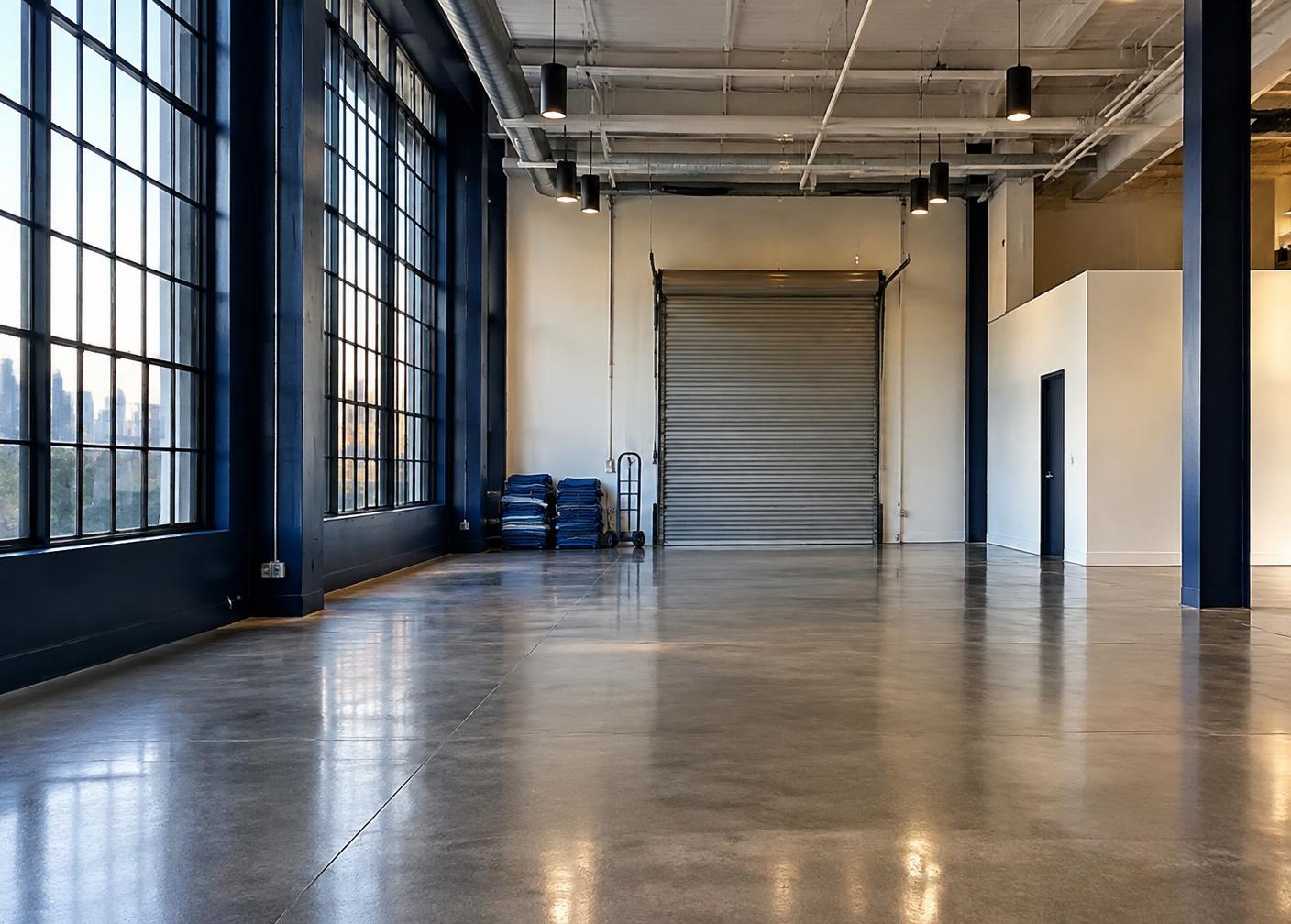
An office decommissioning checklist should assign responsibility for inventory, retained assets, data-bearing equipment, furniture removal, cubicle disassembly, building access, and final inspection. Confirm the lease handback requirements first: removing furniture alone may not satisfy every obligation.
DallasTexasJunkRemoval.com can scope the approved removal work around your building rules and move schedule. Share floor plans, photos, quantities, and access restrictions to request a commercial estimate; final pricing is confirmed before work begins.
Translate the lease into assigned tasks
Start with the lease, building handbook, and written handback instructions rather than a generic promise to leave the suite empty. Identify which fixtures must remain, which alterations need attention, and who can approve completion. Furniture removal is one workstream; repairs, cleaning, cabling, and other restoration tasks may require separate vendors. Assign an internal owner to each requirement and confirm questions with the landlord before scheduling removal. This prevents the hauling crew from being asked to make decisions about lease obligations or remove building-owned property without clear authorization.
- Review written handback requirements.
- Separate removal from restoration and cleaning.
- Identify landlord-owned fixtures.
- Assign an approver for each workstream.
Create an inventory with destination labels
Walk the suite with the people responsible for facilities, finance, and department assets. Mark each item for relocation, resale, retention, review, or approved removal, using labels that remain readable when furniture is moved. Include conference rooms, storage closets, reception areas, breakrooms, and unused workstations rather than counting desks alone. Send the removal team photos and quantities for the approved category. A complete inventory helps distinguish a selective furniture pickup from a full office clearout and reduces the risk of equipment intended for the new location being loaded by mistake.
- Label destinations consistently.
- Include storage rooms and breakrooms.
- Protect retained equipment and records.
- Confirm the final removal inventory.
Keep data and technical shutdown under control
Computers, storage devices, printers with internal memory, and paper records need an asset and information-security process before disposal decisions are made. Do not treat ordinary hauling as certified data destruction or assume removal includes wiping devices. Ask your IT lead to identify data-bearing assets and arrange the required disposition documentation with an appropriate provider. Electrical, network, and other technical disconnects should be handled by qualified personnel where needed. The removal scope should identify what is safe and authorized to handle after those steps are complete, not rely on the crew to improvise them.
- Route data-bearing assets through IT.
- Arrange required destruction documentation separately.
- Complete necessary technical disconnects.
- Release only approved equipment for removal.
Scope cubicles and furniture disassembly
Cubicle systems vary in panel connections, overhead storage, electrical components, and the space needed for dismantling. Provide photos of the actual system rather than estimating from workstation count alone. Identify which components remain, whether powered systems need qualified disconnection, and where dismantled pieces can be staged without blocking exits. Conference tables and large desks may also require disassembly to fit the route. A useful scope includes both the contents and the labor needed to get them safely from their current position to the truck without assuming every unit is freestanding.
- Photograph panel systems and oversized furniture.
- Confirm any qualified disconnection needs.
- Identify permitted staging areas.
- Keep exit routes unobstructed.
Book the building logistics before the crew
Coordinate loading dock access, freight elevators, allowed working hours, parking, and any building-required documentation before fixing the removal appointment. Ask about elevator dimensions and whether protective coverings or a building escort are required. If multiple movers or contractors share the same dock, agree on the sequence so one vendor does not block another. Commercial removal timing should fit actual access windows, not just the date printed on a move plan. Give the crew a building contact and a backup contact who can resolve access problems during the scheduled visit.
- Reserve the dock and freight elevator.
- Confirm working hours and documentation needs.
- Coordinate other vendors using the route.
- Share on-site and backup contacts.
Inspect the approved scope before handback
Use the inventory and lease task list to check the suite after removal. Review closets, meeting rooms, storage areas, and any agreed staging zones, then record anything still requiring another vendor. Do not confuse a completed furniture removal with landlord acceptance of the entire decommissioning project. Retain the approved scope and any agreed completion photos for your records. If more items are added during the walkthrough, approve a revised removal price before loading continues. Contact the office decommissioning team with the inventory and access plan to organize the hauling portion.
- Check every included room.
- Record remaining restoration or cleaning tasks.
- Approve additions before they are loaded.
- Arrange the landlord inspection separately.
How pricing works
Selective furniture removal may fit Small/XS to Medium; multi-room offices often need Large to XL/Full load or multiple loads. Cubicle disassembly and access affect the final estimate.
Single Item
From
$99
Small / XS
From
$149
Medium Load
From
$275
Large Load
From
$475
XL / Full Load
From
$700+
Standard jobs include
Labor, loading, hauling, and standard disposal.
Final price can depend on
volume, weight, material type, labor requirements, stairs, elevators, long carries, disassembly, accessibility, parking, loading access, special handling, disposal requirements, multiple truckloads.
Prices are starting estimates. Your final price is confirmed before work begins. See full pricing.
Questions we hear
Is decommissioning the same as junk removal?+
No. Decommissioning can include IT disposition, repairs, cabling, cleaning, and lease compliance. Define the furniture and contents removal portion separately.
Can cubicles be included?+
Request a cubicle-specific scope with photos, quantities, and any powered components. Necessary technical disconnections must be addressed before removal.
Do you certify data destruction?+
Do not assume ordinary removal includes certified data destruction. Arrange your required IT process and documentation separately before releasing equipment.
Can removal happen outside office hours?+
Discuss availability and building rules in advance. After-hours access is not automatic and must be agreed as part of the schedule.
What should I send for a quote?+
Send room photos, furniture quantities, cubicle details, removal labels, floor information, dock and elevator rules, and the handback deadline.