
Put warehouse aisles, showroom floors, and office suites back to work. DallasTexasJunkRemoval.com removes unwanted office furniture, retail fixtures, pallets, and approved commercial debris in the Dallas Design District, handling the lifting and loading instead of leaving your staff with a disposal project.
From a showroom reset to a business liquidation, the right plan starts with the entire inventory and the route to the truck. Request a commercial estimate with photos, quantities, operating hours, and dock details. Large-volume work can be scoped for multiple truckloads rather than squeezed into an unrealistic single-load promise.
Jobs we handle here
Office furniture clear-outs
Remove desks, chairs, filing cabinets, conference furniture, and approved cubicles without asking employees to move them to the curb.
Warehouse cleanouts
Clear obsolete shelving sections, packaging, loose pallets, and stored junk while keeping active inventory and shipping lanes separate.
Showroom changeovers
Haul away old display furniture, sample racks, and freestanding fixtures so replacement merchandise has room to arrive.
Retail fixture removal
Scope counter sections, display shelving, and stockroom leftovers, including breakdown needed to pass through service doors.
Business liquidation cleanouts
Remove authorized discard inventory after saleable assets, leased equipment, records, and landlord-owned fixtures are separated.
Large-volume commercial debris
Plan mixed nonhazardous debris across multiple rooms, pallets, and loading zones with material and weight reviewed before scheduling.
Items we commonly remove
- Office desks
- Task chairs
- Conference tables
- Cubicle panels
- Empty filing cabinets
- Freestanding retail shelving
- Display tables
- Showroom seating
- Wood pallets
- Cardboard packaging
- Loose wood offcuts
- Approved nonhazardous commercial debris
Warehouse origins still shape the removal route
The Design District grew from a former warehouse and industrial area near the Trinity River levees into a concentration of design showrooms and related businesses. Around Dragon Street, Oak Lawn Avenue, and Stemmons, that history leaves a useful mix of large floor plates, service entries, older warehouse doors, and remodeled customer-facing interiors.
A generous showroom does not guarantee easy loading. An interior display wall, raised dock, narrow rear approach, or active receiving area can control how furniture leaves. We scope the actual property rather than treating every Design District address as an open warehouse.
One commercial scope, not a stack of unfinished disposal errands
Combine office furniture, showroom leftovers, pallet piles, and approved stockroom junk in one estimate. Identify attached fixtures separately: dismantling a freestanding rack is different from removing a wired display or a wall-mounted system. Utility disconnection and structural work are not assumed to be part of junk removal.
For liquidation, removal begins with authorized discards, not a judgment about what has resale value. We do not promise inventory purchasing, auction services, certified data destruction, or a particular donation outcome. The goal is a clearly defined removal that frees usable business space.
Docks, palletized debris, and multi-truck planning
Dock height, available staging space, truck access, and the receiving schedule determine the loading sequence. Palletized debris still needs review for contents, weight, stability, and safe handling; wrapping a heavy pile does not make it a standard light load. Forklift assistance can be discussed where the site provides one, with site authorization and safe operating arrangements confirmed in advance.
Large inventories may require multiple truckloads or coordinated multi-truck scheduling, subject to availability. We assess whether material can be broken down, whether the dock must remain open for deliveries, and whether removal should progress by zone. Multiple trips and restricted loading windows belong in the estimate, not in a surprise at the end.
Commercial pricing that reflects the actual material
Final price depends on volume, weight, material, labor, stairs, elevators, long carries, disassembly, access, special handling, and disposal requirements, and is confirmed before work begins.
A room of light display panels can occupy more truck space than a compact pile of dense commercial debris. Conversely, heavy shelving parts and mixed renovation material may reach a practical weight limit before a truck looks full. Photos, counts, material descriptions, and access details help distinguish those jobs; an extensive or uncertain inventory may warrant a site assessment.
Pickup day: approve the boundaries, then clear the space
An authorized contact walks through each removal zone with the crew and confirms what stays. The loading route and property-protection needs are reviewed before movement begins, including finished showroom floors, door corners, and occupied aisles. The final price is confirmed before work begins.
Removal follows the agreed sequence so receiving, customers, or staff can continue using designated areas where practical. Any newly added rooms or materials require scope review. Same-day service is available when scheduling permits; next-day availability can be checked, but a substantial commercial cleanout needs a realistic access and capacity plan.
How pricing works
A few office pieces may fall within Small/XS or Medium; a showroom reset can reach Large or XL/Full load. Warehouse and liquidation inventories can exceed one load, while dense material may need weight-based scope review.
Single Item
From
$99
Small / XS
From
$149
Medium Load
From
$275
Large Load
From
$475
XL / Full Load
From
$700+
Standard jobs include
Labor, loading, hauling, and standard disposal.
Final price can depend on
volume, weight, material type, labor requirements, stairs, elevators, long carries, disassembly, accessibility, parking, loading access, special handling, disposal requirements, multiple truckloads.
Prices are starting estimates. Your final price is confirmed before work begins. See full pricing.
What to expect
- 01
Share the inventory
List furniture, fixtures, and materials by floor or work area. Include your completion deadline.
- 02
Review the site
Discuss a walkthrough, loading access, freight elevators, and any vendor requirements before committing to a window.
- 03
Confirm scope and price
Agree on what leaves, what stays, and whether the project needs phases or multiple loads.
- 04
Coordinate removal
Confirm an entry contact and staging route so removal fits the property's operating plan.
Commercial space planning
Local pickup notes
What to know about junk removal in Dallas Design District
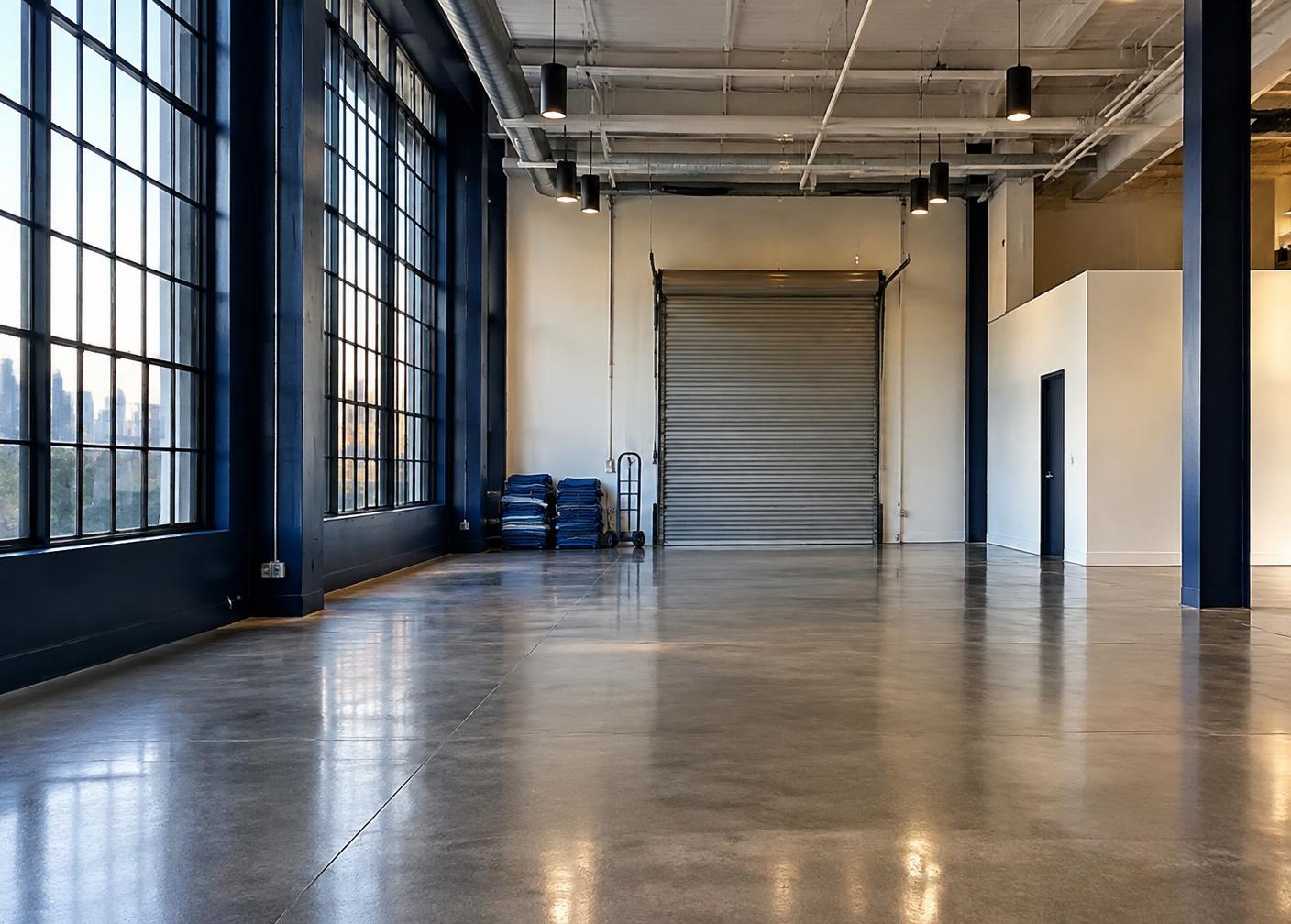
- Showrooms and warehouses often have roll-up doors or docks, which speeds up loading.
- Pallets, display fixtures, and packaging are typical; heavy or mixed materials can change the price.
- Pickups can be timed around deliveries and showroom hours.
Before pickup day (optional, but helpful)
Prepare the inventory, not the heavy lifting
Send wide photos of every room plus close-ups of dense debris, stacked pallets, and large fixtures. List approximate counts and identify keep, sell, lease-return, and remove categories. Staff do not need to haul heavy furniture to the dock.
Share receiving hours, dock dimensions, site forklift availability if relevant, and the person authorized to approve disposal. Keep batteries, liquids, chemicals, and unidentified industrial materials separate for acceptance review.
- Active shipping lanes must remain usable unless a closure is authorized.
- A pallet count alone does not establish weight or disposal eligibility.
- Management paperwork and contractor access rules need advance review.
- Attached displays may need separate qualified disconnection.
- Multiple loads require a capacity and scheduling assessment.
Questions we hear
Can you remove cubicles?+
Yes, approved cubicle panels, work surfaces, and freestanding components can be included, with breakdown assessed in the quote. Electrical or data connections must be addressed through appropriate qualified personnel before removal.
Can you work around business hours?+
Share customer hours, receiving schedules, and your preferred work window. We review a phased or off-hours appointment when available; evening and weekend access is not automatically guaranteed.
Can you handle multiple truckloads?+
Large-volume cleanouts can be scoped for multiple loads, with multi-truck scheduling considered where capacity permits. An inventory and access review establish the sequence and price rather than assuming one full-load rate covers the building.
Can you make a site visit before quoting?+
Ask for a site assessment when the inventory is extensive, mixed, or difficult to photograph. We can discuss whether photos are sufficient or an on-site review is appropriate before confirming the work.
Can you take palletized debris from our loading dock?+
Potentially, after reviewing the pallet contents, weight, stability, and dock access. Tell us whether the site provides a forklift; we do not assume forklift equipment or operation is included.
Does a business liquidation include purchasing inventory?+
No inventory purchase or liquidation sale is implied. The removal scope covers authorized unwanted contents after retained, sold, rented, and regulated materials have been identified.