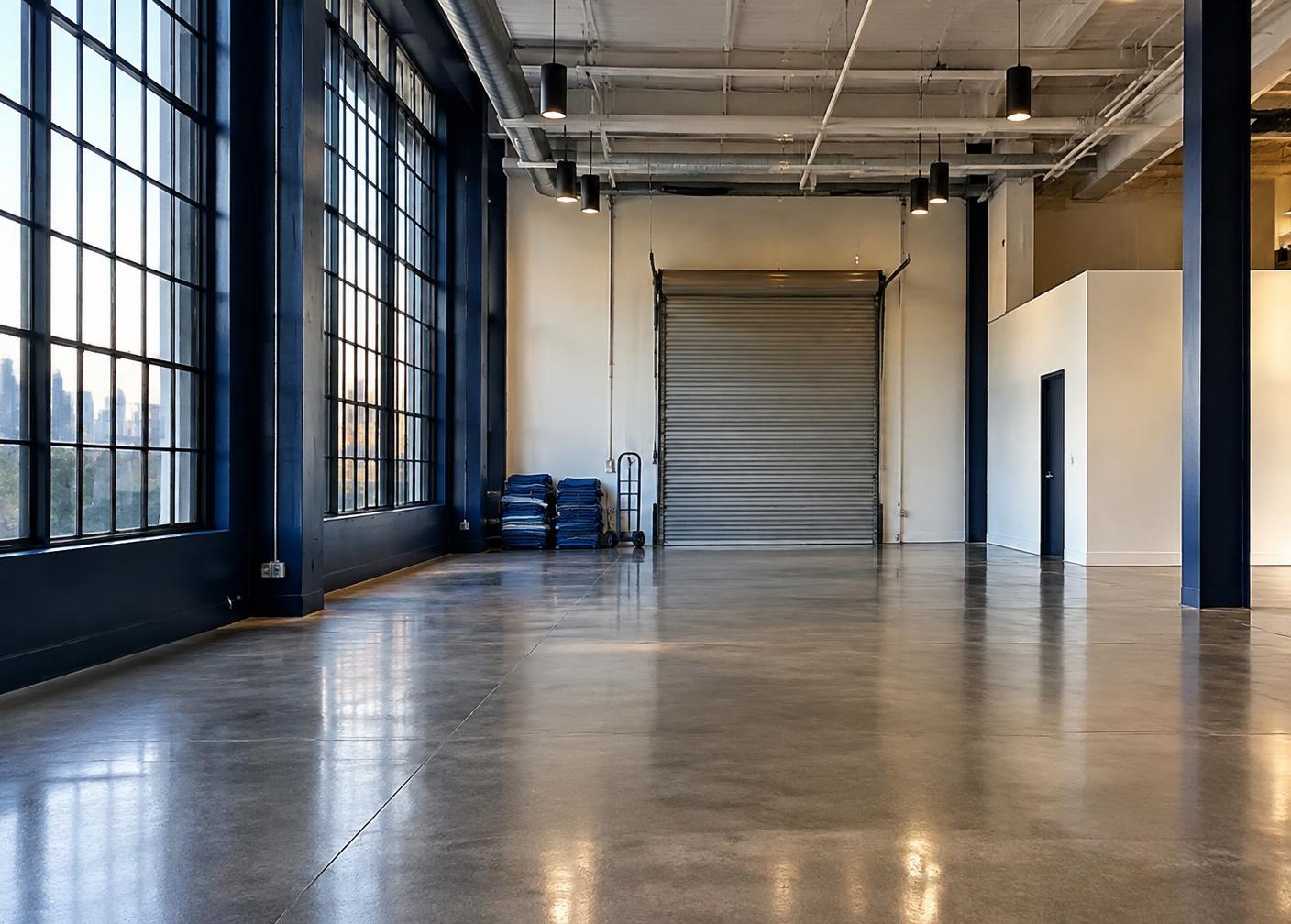
Commercial junk removal is priced by the actual removal scope, not a universal fee per workstation, unit, or square foot. Selective pickups may fit Small/XS to Medium, while larger office and facility clearouts often need Large to XL/Full load or multiple loads.
Send DallasTexasJunkRemoval.com an inventory and building details for a commercial estimate.
Use an inventory instead of a floor-area formula
The size of a leased suite does not tell a removal team how much material is leaving. A mostly empty office may need only a few desks collected, while a small storage room can contain dense shelving and boxed contents. List the items by area and include photos that show the full pile. For repeat pieces, provide quantities and note whether they are assembled. An inventory-based estimate gives purchasing and facilities teams a clearer basis for approval than multiplying square footage by an unsupported removal rate.
Separate ordinary contents from special materials
Office furniture, warehouse stock, pallets, renovation debris, and electronics do not necessarily share the same handling or disposal requirements. Identify each material category before seeking a combined estimate. Flag dense debris, liquids, batteries, unknown containers, and equipment that may require technical preparation. Do not assume confidential records or data-bearing devices are covered by a standard disposal process. When a material needs another provider or specialized handling, separating it early makes the remaining removal scope easier to price and reduces the risk of a collection-day interruption.
Describe the labor behind the visible volume
An assembled desk on the ground floor and a workstation system behind a narrow stairwell may occupy similar truck space but require different labor. Explain disassembly needs, access to fasteners, whether drawers are full, and how far the crew must carry materials. Identify any disconnects that must be completed by qualified personnel before removal. If staff will prepare items beforehand, specify exactly what will be ready. Pricing should reflect the actual agreed condition at pickup, rather than an assumption that everything is already dismantled beside a loading dock.
Price around real building restrictions
Freight elevator reservations, dock queues, parking limits, security check-in, and permitted work hours can shape a commercial removal plan. Ask management about these requirements before requesting a final schedule. Share any required vendor documentation early enough for review, without assuming a particular document or coverage can be supplied automatically. If removal must happen in stages or during a short window, disclose that during estimating. A commercial quote is most useful when it reflects the route and access period the crew can actually use rather than unrestricted entry that the building will not allow.
Make internal approval match the removal scope
Give the approving manager a clear inventory, the estimate assumptions, and the process for handling additions. Confirm who can authorize the final price on site and whether a purchase order or other internal reference is required. Avoid sending a crew to a location where no one can approve changes or identify retained assets. For multiple departments, consolidate the removal list before booking so unrelated additions do not silently expand the job. Standard service covers labor, loading, hauling, and standard disposal; describe any requested extras separately rather than assuming they are included.
- Name the authorized approver.
- Confirm purchase-order requirements before booking.
- Label retained and removal assets.
- Require approval for scope additions.
Plan recurring work without assuming a fixed rate
A recurring pickup can simplify coordination, but repeat visits may still differ in volume, materials, and access. Keep a current photo record or inventory for each collection and identify changes from the previous scope. If you want a standing arrangement, ask which scheduling and approval terms can be agreed rather than assuming every future load costs the same. Larger facility cleanouts may need staged visits and separate preparation tasks. Contact commercial junk removal with your present inventory and recurring needs so the estimate reflects the work actually requested.
How pricing works
Small/XS to Medium for limited business pickups; Large to XL/Full load for broader clearouts, with multiple loads possible. Starting estimates follow the same published tiers; scope and logistics determine the final price.
Single Item
From
$99
Small / XS
From
$149
Medium Load
From
$275
Large Load
From
$475
XL / Full Load
From
$700+
Standard jobs include
Labor, loading, hauling, and standard disposal.
Final price can depend on
volume, weight, material type, labor requirements, stairs, elevators, long carries, disassembly, accessibility, parking, loading access, special handling, disposal requirements, multiple truckloads.
Prices are starting estimates. Your final price is confirmed before work begins. See full pricing.
Questions we hear
Is there a fixed price per office desk?+
No universal per-desk price is promised. Quantity, size, disassembly, material, access, and the overall load affect the estimate.
Are labor and disposal included?+
Special materials or handling requirements must be reviewed in advance.
Can I use photos for procurement approval?+
Photos and an inventory support an initial estimate. Final pricing is confirmed before work begins, so assign someone who can approve the actual scope.
Do repeat pickups always cost the same?+
Not necessarily. Changes in contents, weight, access, or preparation can change the price. Discuss any recurring arrangement directly.
Can you handle an urgent commercial pickup?+
Same-day service is available when scheduling permits. Building approvals, loading access, and material requirements may affect what can be scheduled.